
Sic Bo Tutorial for Australian Players: Odds, Bets and Practical Play

If you are new to the table, a solid sic bo tutorial starts with the three dice and the way the house keeps its edge. You will see a grid of outcomes, each with its own payout and its own probability, and the trick is knowing which bets pay back more often than they cost you. We built this guide for locals who want the maths before the spin, not a sales pitch dressed up as advice.
From there, you can explore how similar mechanics apply to other fast-paced titles, such as the aviator crash game. Many players find that tracking the multiplier patterns in these games helps refine their timing and risk management. If you want to compare different payout structures across modern platforms, starting with a reliable crash game guide is a practical next step.Gratis spins zonder storting: helder spelen
Brand Snapshot
| Detail | What it looks like |
|---|---|
| Positioning | Dice-focused lounge with a clear odds panel and low-friction registration |
| Games & providers | Licensed-branded dice tables plus a few side bets from well-known studio partners |
| Bonus mechanics | Match deposit offers with reasonable wagering, capped at a published multiplier |
| Payments & currencies | AUD by default, with card, e-wallet and bank transfer options and transparent fees |
| Registration & mobile | Email and phone sign-up, responsive layout tuned for phone-first play |
| Support & loyalty | Live chat during peak hours, email backup, and a points ladder that rewards regular play |
Understanding the Table and the Real Odds
The board looks busy until you separate the bets into three families: small and big, specific triples and doubles, and the single-number spots across the bottom. Small and big pay even money, roughly, but the house edge sits on the five losing outcomes out of six on each side, which is why those bets feel safe and still lose slowly. If you ever compare the rhythm of a packed Melbourne tram to a dice table, you start to see why the frequent small wins can feel smooth while the long run quietly drifts against you. A proper sic bo tutorial should show you the expected return on each line so you can pick the slower bleed rather than chasing a flashy triple. The specific-number bets pay bigger, but they hit far less often, and the triples are the sharpest edge on the board, which is exactly why casual players overvalue them after one lucky arvo.
How to Read Each Bet Without Getting Lost
Start with the two-sided bets if you want a steadier pace, because they cover most of the dice combinations and keep the variance lower than the centre of the table. The single-number bets are where the payout jumps, yet the probability drops fast, so the maths says treat them as occasional spice rather than the main meal. When I design a table layout, I always check whether the visual hierarchy pushes players toward the high-edge centre or gives the even-money edges a fair share of the screen, because art direction can nudge behaviour as much as the odds do. For a practical session, decide your unit size first, then map out how many rounds you want to see before you call it a night, and keep the bet sizes tied to that plan rather than the last result. The table should feel like a delayed Sydney train in the worst moments, predictable enough to plan around but never quite on your timetable.
Mobile Play and the Day-to-Day Experience
A mobile-first table needs to keep the odds panel readable on a small screen, with tap targets that do not shift when you rotate the phone and a layout that loads without a long wait on a busy connection. Navigation matters more than flash here, because a cluttered menu can turn a simple dice game into a hunt for the right bet, and that friction adds up over a session. If you prefer to play here with us on the move, check that the browser version responds cleanly before you commit to an app, since responsiveness and performance are the real tests of whether the experience holds up outside the lounge. We have seen plenty of tables that look fine on a desktop and then collapse into a cramped mess on a phone, which is why a decent sic bo tutorial always covers the screen you will actually use. The same attention applies to payments: AUD balances, clear limits and visible fee notes save a lot of confusion when you are settling up after a Saturday queue at a Bunnings sausage sizzle.
Where This Fits and Where It Does Not
This style of play suits people who like a slow, transparent table with clear odds and a low-drama pace, rather than anyone chasing a rapid adrenaline spike. If you want a different kind of rush, you might look at an aviator crash game instead, but that is a different mechanic with a different risk profile and a very different sense of timing. For dice, the fit is better for players who can stick to a unit plan, read the board without getting distracted by the loud payouts, and walk away when the session has run its course. A good sic bo tutorial should end with a verdict, not a promise, so the honest call is that this table works for disciplined players who value readable odds and a calm rhythm over spectacle. If your play style leans toward careful pacing and you are comfortable with the house edge on the centre bets, the table can be a sensible part of a broader night out.
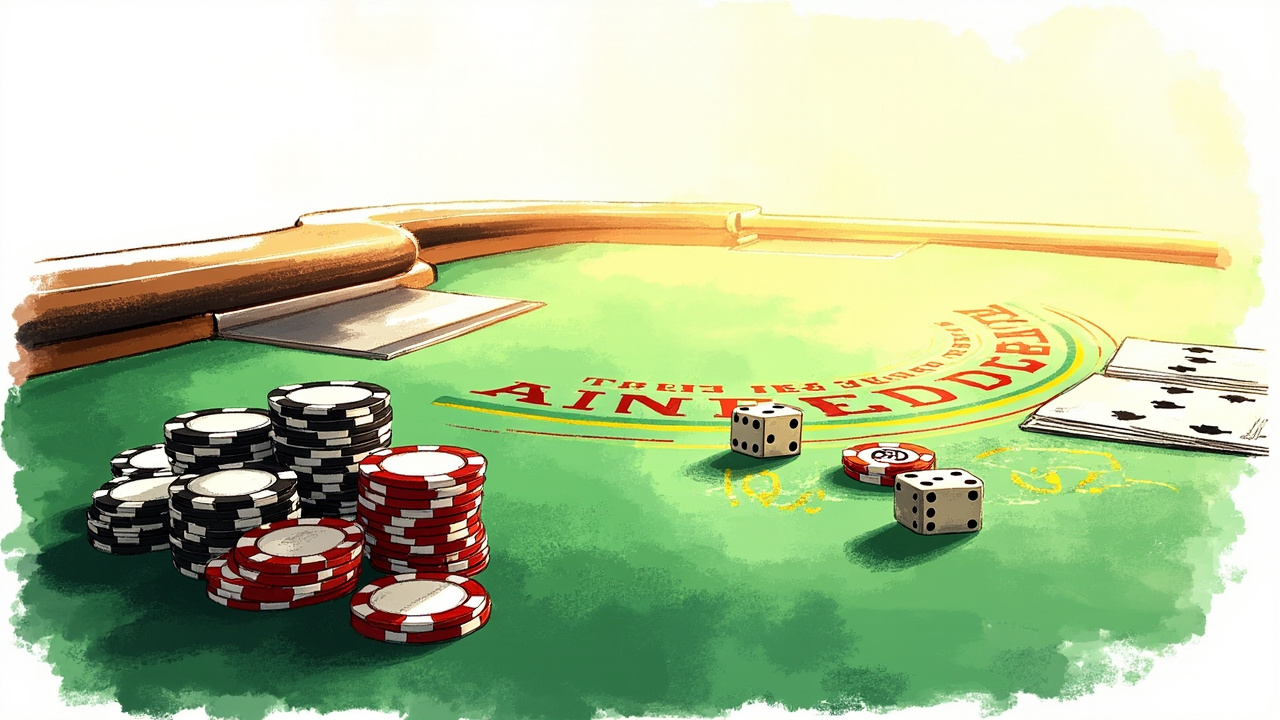
When you compare the mobile layout, the odds panel and the payment clarity, the right call depends on what you want from the session. The table is strongest for players who like a readable board, a measured pace and AUD-friendly setup, and weaker for anyone expecting a fast payback story. If you want a steadier dice experience with clear bet maths and a phone-friendly interface, this kind of offering can fit; if you want a different kind of momentum, you will be better off looking elsewhere.