
Online blackjack advanced strategy rewards patience, discipline, and a clear head more than any lucky streak ever could. Australian players chasing better returns need to understand that the maths behind the felt is unforgiving, but workable, once you stop guessing and start counting decisions. The difference between a casual session and a controlled one usually comes down to knowing when to stand, when to split, and when to walk away before the room temperature rises.
Transitioning from the blackjack table to digital reels means applying the same rigorous approach to bankroll management and game selection. Reputable Australian operators provide transparent payout structures and independent audits, allowing you to focus on strategy rather than guesswork. You can easily verify these standards by reviewing the certified mechanics of the mega joker slot machine linked at https://mega-joker-slot-au.net/.
Reading the Rules Before You Read the Cards
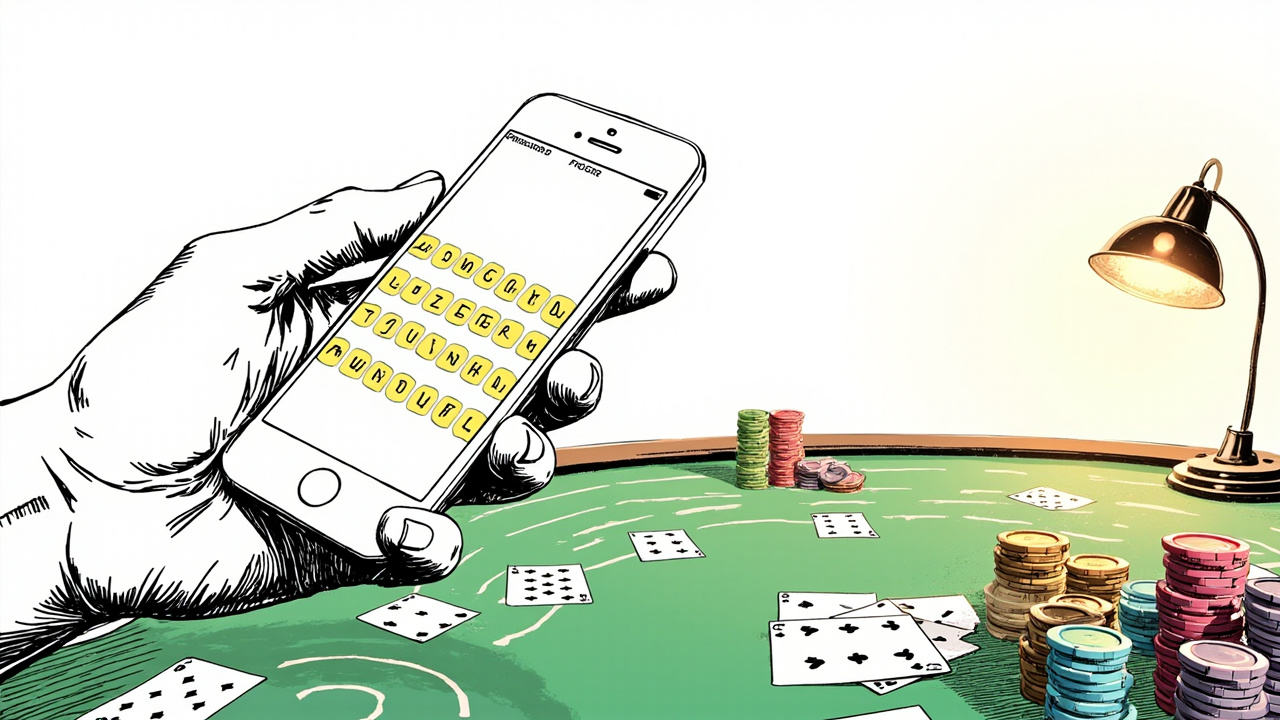
The first thing worth sorting is the rule set sitting under your feet, because a half-percent shift in the house edge changes every late decision you make. Australian-facing tables often run a 3:2 blackjack payout on premium games, but a handful of lower-edge offerings quietly push that to 6:5, which quietly murders your long-term expectation if you do not notice it before the first hand. You should also check whether the dealer stands on soft 17, whether doubling after split is allowed, and whether late surrender exists at all. Those details matter because advanced play is simply the art of exploiting the small edges the rules leave open, and a table that pays 6:5 on blackjack is one you can walk past without a second glance.
If you want a broader sense of how table rules compare across different Australian-facing games, you can read a neighbour overview that tracks payout structures and side-bet variance across multiple providers. That kind of side-by-side reading helps you spot which games actually reward discipline and which ones just dress up a worse edge with flashier graphics.
The Gold Coast end of the market has its own rhythm, too. A lot of locals still drift into a weekend session after a long shift on the beachfront, and that casual timing matters because fatigue quietly ruins basic strategy adherence. When you are playing from a laptop at home rather than a crowded pavilion, you control the noise, the drinks, and the clock, which is exactly why the online environment can support a tighter approach if you treat it like a session with a start and finish rather than a loose arvo pastime.
The Maths That Actually Moves Your Edge
Basic strategy is the non-negotiable floor, and it is just a lookup table telling you the mathematically correct play for every hand against every dealer upcard. Once that is automatic, the real work begins with composition-dependent thinking, where you stop treating every twelve as identical and start noticing whether your twelve is a ten-plus-two or a six-plus-three-plus-three, because those compositions carry different removal effects and slightly different correct plays in the late deck. That level of detail is not glamorous, but it is the sort of quiet refinement that separates a recreational player from someone who actually understands the shoe.

Card counting gets all the movie attention, but the practical version for an online session is more about tracking rough density and adjusting your bet spread only when the remaining composition genuinely tilts. You do not on the blog need to memorise a fifteen-count system to benefit from the concept; you just need to recognise when high cards are clustering and when the shoe has gone cold, then size your action accordingly instead of flat-betting through every run. Grace Phillips, Managing Partner, Eucalypt Digital Advisory, has pointed out that the real value in this space comes from treating the count as a signal for bet sizing and game selection, not as a promise of short-term profit, which is the kind of disciplined framing that keeps a player solvent across a long run.
Ava Phillips, Board Member, Australian Gaming Futures, has also noted that the clubs industry in New South Wales is a powerful political lobby because pokie revenue keeps the state’s venue network running, and that same revenue pressure is why responsible-play controls and transparent game rules matter more than ever when you are sitting at a digital table. The point is not to moralise the maths; it is to recognise that the environment around the game shapes the tools you get, and a well-run operator will give you the rule clarity and session controls that make advanced play actually usable.
A Straight Step-by-Step Walkthrough for Beginners
If you are brand new to this, the cleanest way in is to treat your first few sessions like a quiet practice drill rather than a money-making sprint. Here is how I would walk a mate through it over a coffee, keeping each step simple enough to remember when the cards start flying.
First, pick one basic strategy chart for the exact rule set you are playing and keep it visible until the correct moves become automatic. Do not try to improvise early; just repeat the right play until your hands stop second-guessing a hard sixteen against a dealer seven.
Second, set a fixed session bank and split it into small units so you never feel tempted to chase a bad run. A mate who treats each unit as the cost of a learning hand usually lasts far longer than one who moves money around whenever the shoe goes quiet.
Third, practise the basic moves on a free or low-stakes table until you can play a full shoe without glancing at the chart. The goal here is rhythm, not profit, because a smooth decision pattern is what lets you notice the rare spots where the composition of the deck actually shifts your play.
Fourth, once the basics feel automatic, start paying attention to the dealer upcard trends and your own hand composition, and only then think about small bet adjustments when the shoe clearly favours high cards. That is the point where a beginner stops being a beginner and starts playing with a bit of genuine awareness, which is exactly the moment when discipline starts paying for itself.
Choosing a Table and Operator That Actually Helps You Play Well
The operator side matters because a clunky interface, slow payouts, or vague support can wreck a disciplined session faster than any bad beat. You want a platform that shows the rule set clearly before you sit down, offers a reasonable range of blackjack variants with sensible limits, and keeps the registration and verification process straightforward so you are not stuck in a queue when you actually want to play. Payment options should be transparent, with AUD handling where possible and clear deposit and withdrawal timing, because waiting on a mystery payout is the quickest way to lose trust in a room you were trying to play seriously.
Support should be reachable when you need it, not just when you are chasing a bonus term you did not read. A decent operator will also give you practical responsible-play tools like deposit limits, session timers, and reality checks, which are the boring features that actually protect a player who is trying to run a tight game plan. Charlotte Graham, Lead Gaming Analyst, Great Southern Betting Review, has observed that the operators worth your time are the ones that make their rules, limits, and support paths obvious before you fund an account, because that kind of clarity is what lets a disciplined player actually use their edge instead of wrestling with the platform.Gamblinghood
If you are winding down from a focused blackjack session and want a different kind of screen time, you can always switch over to a mega joker slot machine for a change of pace, though the two games reward completely different habits and neither one forgives a loose approach. The point is simply to keep your session choices intentional, because mixing a disciplined table game with a loose bonus hunt in the same sitting usually means neither one gets the attention it deserves.
Crown Melbourne houses fine-dining restaurants, hotels and a large entertainment complex, and that kind of physical venue atmosphere is a useful reminder that real tables come with real crowd noise, real drink service, and real pressure to keep up with the room. Online play strips some of that away, which is helpful if you want a quieter environment for a methodical session, but it also means you have to build your own discipline because nobody is watching the clock for you.